The engineering hiring landscape is evolving rapidly, driven by technological advancements, changing workforce expectations, and global market dynamics. As we look ahead to 2025, several key trends are reshaping how companies attract, evaluate, and onboard engineering talent.
AI-Powered Screening and Assessment
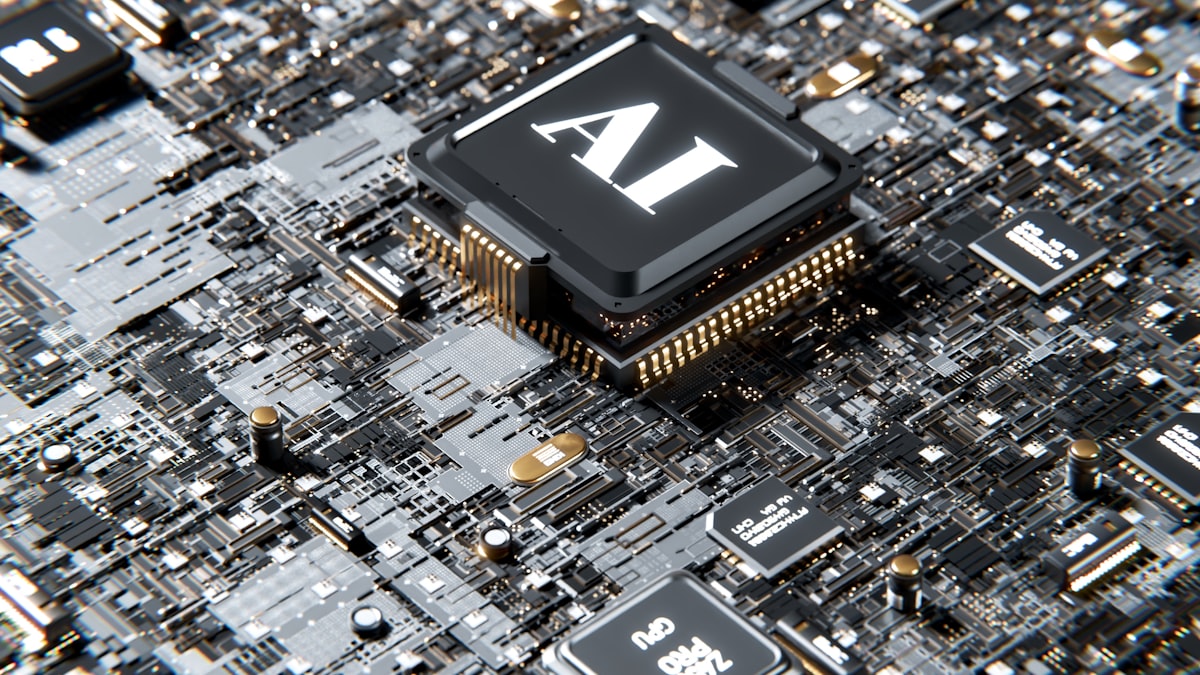
Artificial intelligence is revolutionizing the initial stages of the hiring process. Modern AI tools can analyze code repositories, assess technical skills through automated challenges, and even evaluate soft skills through behavioral analysis. This trend is helping companies process larger volumes of applications while maintaining quality standards.
Remote-First Hiring Strategies
The pandemic accelerated the adoption of remote work, and this trend shows no signs of slowing down. Companies are now designing their entire hiring process around remote interactions, from virtual technical interviews to online onboarding experiences.
Skills-Based Assessment Over Credentials
Traditional degree requirements are giving way to practical skill demonstrations. Companies are increasingly focusing on what candidates can do rather than where they studied, opening opportunities for self-taught developers and bootcamp graduates.
Emphasis on Cultural Fit and Values Alignment
As remote work becomes the norm, companies are placing greater emphasis on cultural fit and values alignment. This includes assessing communication skills, self-motivation, and ability to work independently while maintaining team collaboration.
Looking Ahead
The future of engineering hiring will likely be characterized by more personalized, efficient, and inclusive processes. Companies that adapt to these trends while maintaining their focus on quality and culture will have a significant advantage in attracting top talent.
Skills That Are Suddenly Mainstream
A few things that were “nice to have” a couple of years ago and are increasingly table stakes:
- Comfort working alongside AI tooling — not against it, not pretending to ignore it
- Familiarity with cloud-native infrastructure as a baseline, not a specialisation
- Product thinking — engineers who can explain user impact, not just technical choices
- Async written communication, in part driven by remote and hybrid teams
- Security mindset as a default, not an afterthought
What Falls Out of Fashion
On the other side: the long, multi-stage gauntlet interview is losing favour, the once-required brand-name pedigree is matched less rigidly, and the assumption that an engineer’s career path runs only through management is being replaced by real technical-IC ladders at more companies.
The Persistent Constants
What hasn’t changed: clear thinking, the ability to learn fast, the discipline to ship, and the humility to be wrong in public. Whatever trends come and go, those four predict good engineering hires better than any specific stack or credential. Hire for them, calibrate for them, and you’ll consistently come out ahead of teams chasing whatever framework is hot this quarter.
What This Means for Job-Seekers
If you’re on the candidate side of this market, the implications are concrete:
- Get fluent at working alongside AI tools — both how to use them and where they fail
- Build a public portfolio of work you can talk about, not just a private GitHub
- Develop product thinking, even if you’re a pure engineer — explain user impact, not just technical choices
- Build async written communication into your day-to-day work — it shows in interviews
- Choose internships that put you on real teams shipping real things, not in narrow training programs
The market still rewards strong fundamentals — but it increasingly rewards engineers who can ship, communicate, and adapt. Optimise for those, and the trends become tailwinds rather than threats.