
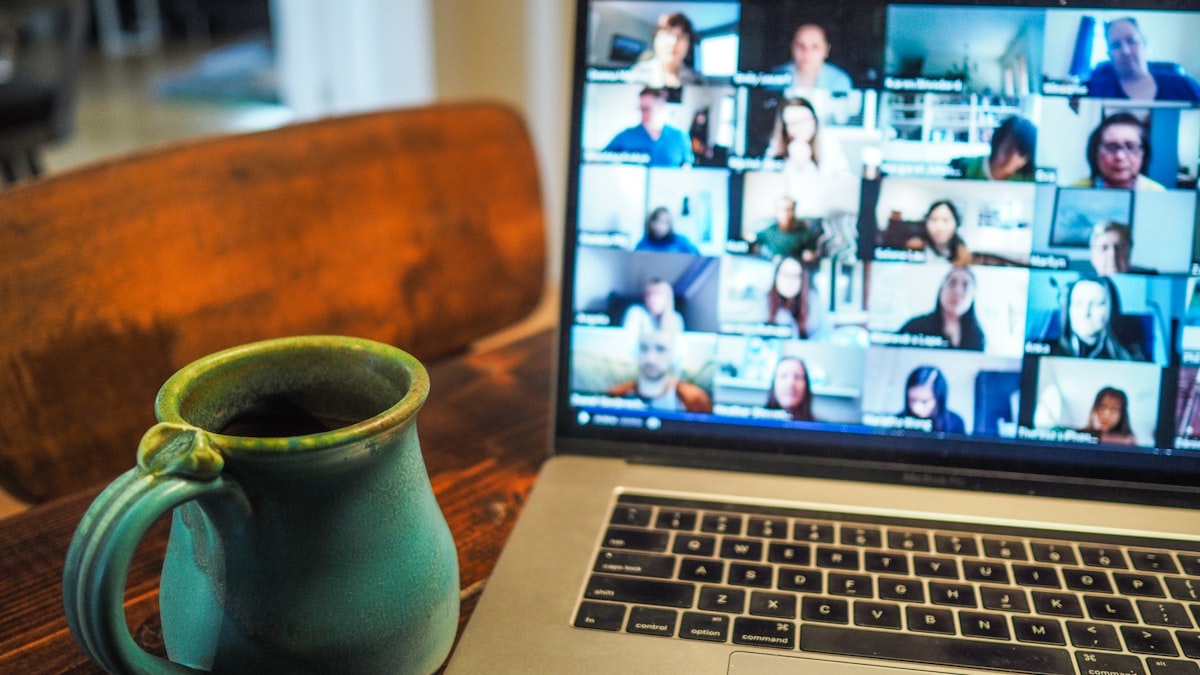
Building a strong engineering culture in remote teams requires intentional effort and strategic planning. While distributed teams offer many advantages, they also present unique challenges that require thoughtful solutions.
Communication is Everything
Effective communication forms the backbone of any successful remote engineering team. This goes beyond just having the right tools—it’s about establishing clear protocols, encouraging open dialogue, and ensuring everyone feels heard and included in important decisions.
Asynchronous Collaboration
Remote teams must master asynchronous work patterns. This means documenting decisions thoroughly, creating comprehensive code reviews, and designing workflows that don’t require everyone to be online simultaneously. Tools like GitHub, Slack, and project management platforms become critical infrastructure.
Virtual Team Building
Building relationships remotely requires creativity. Regular virtual coffee chats, online game sessions, and informal check-ins help maintain the social connections that drive collaboration and innovation. The goal is to recreate the spontaneous interactions that happen naturally in physical offices.
Knowledge Sharing and Documentation
In remote environments, knowledge sharing becomes even more critical. Teams need robust documentation practices, regular tech talks, and systems for capturing and sharing institutional knowledge. This prevents silos and ensures that important information isn’t lost when team members leave.
Maintaining Innovation
Innovation often happens in informal settings—hallway conversations, lunch discussions, and spontaneous brainstorming sessions. Remote teams need to deliberately create spaces for these interactions through virtual innovation sessions, hackathons, and dedicated time for exploration.
Conclusion
While building a strong engineering culture remotely requires extra effort, the benefits—access to global talent, improved work-life balance, and increased productivity—make it worthwhile. The key is being intentional about culture and communication from day one.
Hiring for Remote Specifically
Remote-first teams need a few traits you’d weight less in a co-located hire:
- Strong written communication — async is the default channel
- Self-direction without becoming siloed
- Time-zone awareness and bias-toward-handoff thinking
- Comfort with documentation as a first-class deliverable
- An ability to push back in text without losing the room
Onboarding That Works Remotely
Most remote onboarding failures aren’t about tools, they’re about loneliness and ambiguity. Counter both early:
- Pair a new hire with a named onboarding buddy for the first month
- Schedule deliberate intro calls with people they’ll work with
- Give a small, real, shippable piece of work in week one
- Make the first feedback conversation a calendar event, not a hope
When to Get Together In Person
Even strong remote teams benefit from periodic in-person time — kick-offs, planning offsites, the occasional team week. The point isn’t productivity; it’s shared context and trust. Twice a year usually beats four times a year, since the cost and travel friction matter.
Async Tools That Earn Their Keep
Remote teams accumulate tools quickly. The few that genuinely earn their keep:
- A single source-of-truth doc tool (Notion, Confluence, or similar)
- Async video — Loom or equivalent — for things that don’t need a meeting
- Code-review tooling that lets reviewers leave context, not just approvals
- A simple decision log — “we chose X because Y” — to prevent revisiting the same questions monthly
When Remote Teams Quietly Break Down
Even healthy remote teams degrade in predictable ways. Watch for: meeting-heavy weeks creeping back in, decisions made in DMs instead of public channels, silent disagreement that surfaces months later, and onboarding gaps for new joiners. Each of these is fixable — but only if someone is paying attention. Make culture an explicit responsibility, not an assumed one.